Typical DFR
Program on your shoulders
- Built for law enforcement
- New staff, new software, new workflow
- Situational awareness focus
Get life-saving interventions on scene in minutes. Without standing up a new drone program.
Capability
Right tools. Right place. Right time.
Fully managed means:
Capability without complexity.
For bystanders
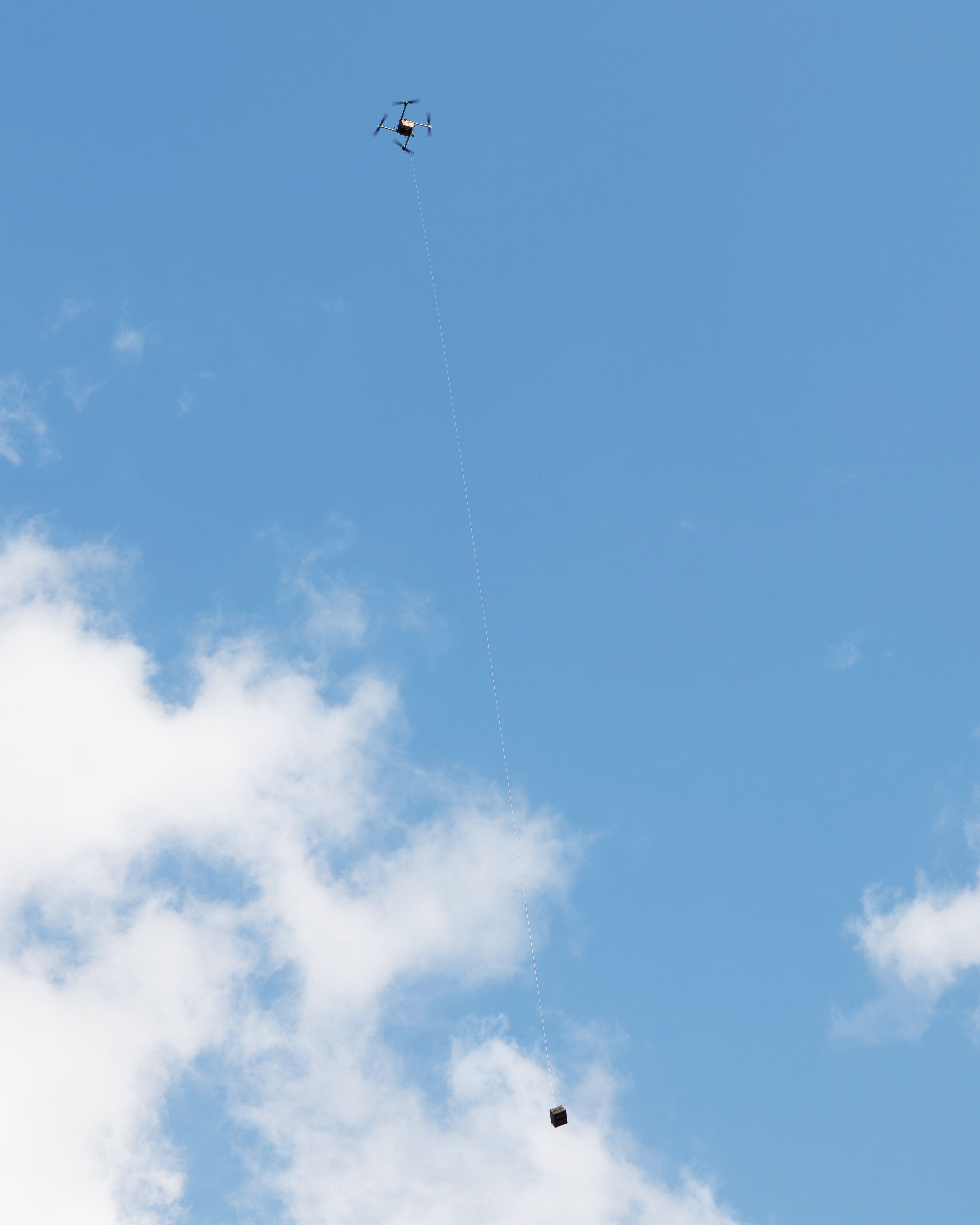
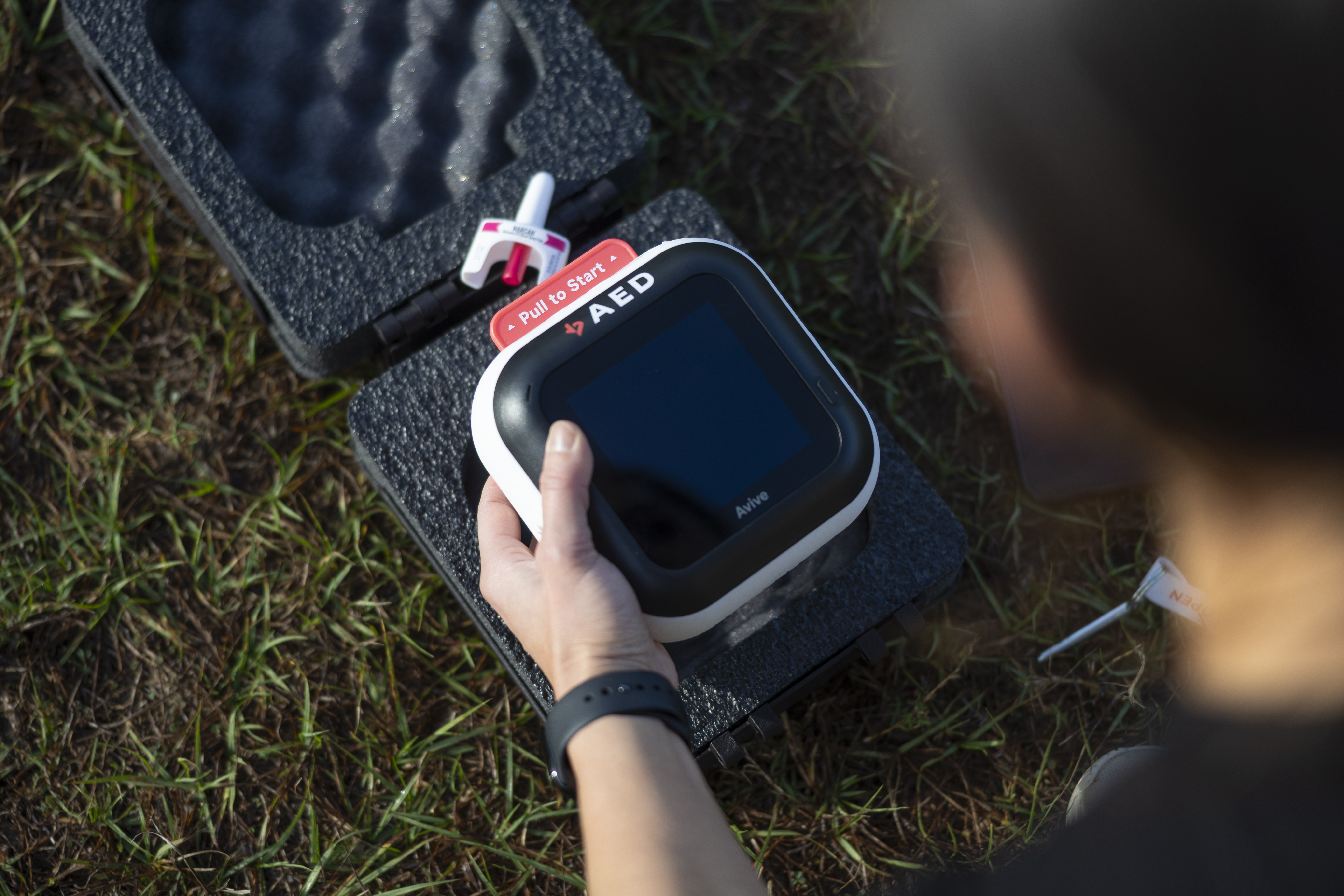
Bystanders are capacity you already have — usually under-equipped. Make access systematic: get life-saving tools directly to the bystander, on every call.
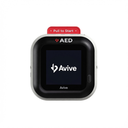 Avive AED
Cardiac arrest · Visit →
Avive AED
Cardiac arrest · Visit →
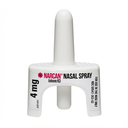 Narcan
Opioid overdose · Visit →
Narcan
Opioid overdose · Visit →
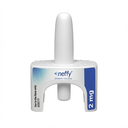 Neffy
Anaphylaxis · Visit →
Neffy
Anaphylaxis · Visit →
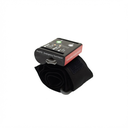 AutoTQ
Severe bleed · Visit →
AutoTQ
Severe bleed · Visit →
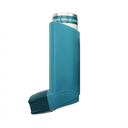 Albuterol
Asthma
Albuterol
Asthma
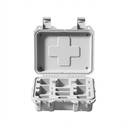 Custom
Up to 7 lbs
Custom
Up to 7 lbs

Whole blood
Get blood on scene without waiting on whichever truck happens to be carrying it — more reach from scarce inventory, same managed model.
Want the operational detail? Request a short briefing with our team.
In dispatch
No new software. No new workflow.
Initiate drone delivery without stepping out of your existing dispatch process.
Try it with simulated deliveries on your live calls.
Start Live Dispatch Trial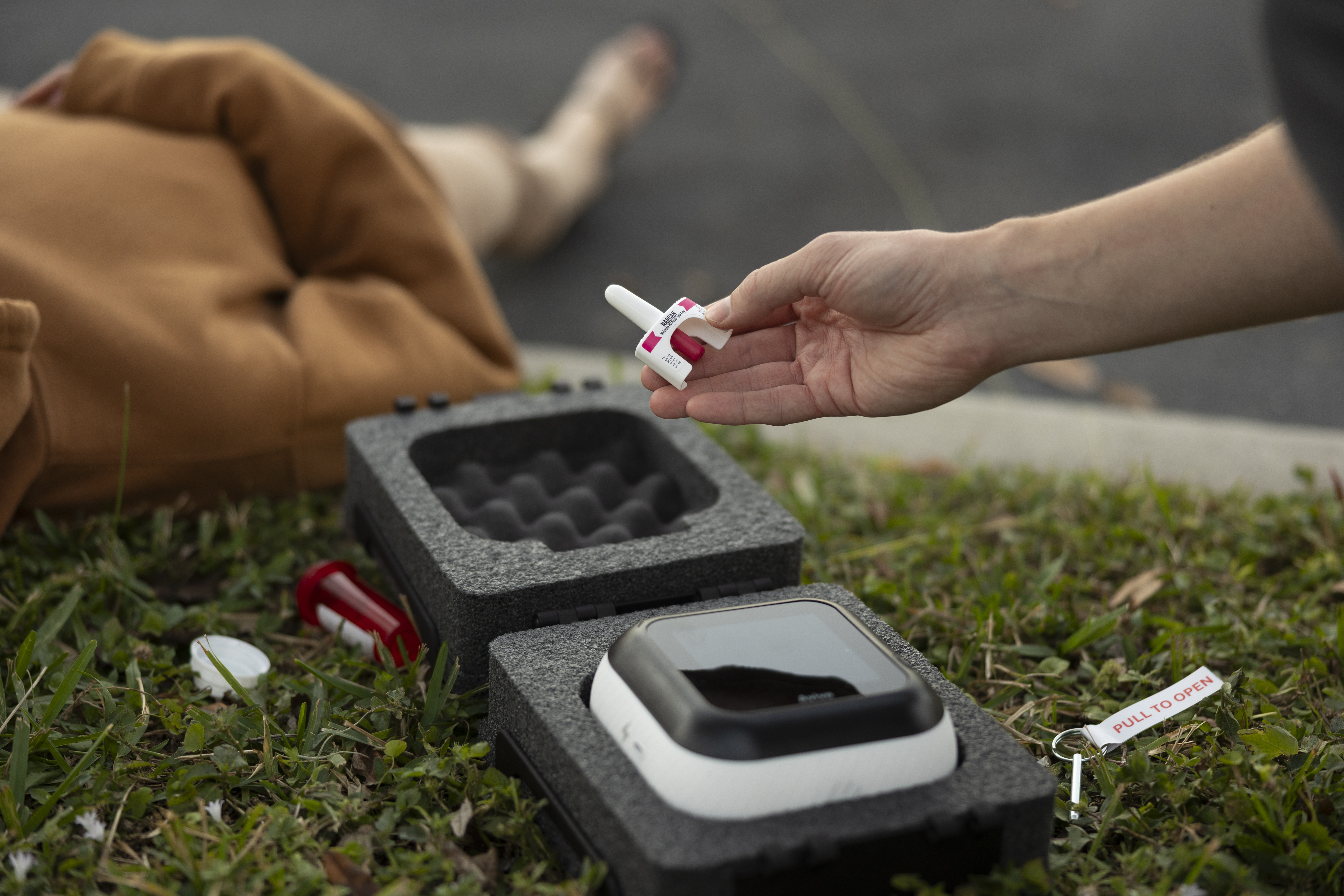
Native to RapidSOS · Fully managed from our FOC

The difference
Emergency delivery for Fire-Rescue & EMS — fully managed, not a program you stand up.
Typical DFR
Program on your shoulders
ArcherFRS
No operational overhead
The zero-risk path
Experience the capability on your live 911 calls. Assess utilization and performance before hardware and commitments.
Step 1 of 5
Go live: same clicks. Real aircraft. No culture reset.
From trial to go-live
The trial wasn’t a demo you graduate from — it was practice for live operations. We install the hardware, set up the flight envelope, and turn simulated deliveries into live ones — your dispatch team continues with the same workflow.
Certificate of Waiver package — handled for you.
Full Certificate of Waiver documentation — ~3 days average, 100% success rate.
We install the system and stand up the flight envelope.
Site specs provided, hardware delivered, and our certified technicians complete installation.
Sim to live aircraft. Same two clicks.
The RapidSOS workflow from the LDT becomes real deliveries — request, confirm, deliver.
Capability without complexity
FAQ
No. ArcherFRS provides fully managed emergency drone logistics systems and services. Your action is request and confirm in RapidSOS. Piloting, monitoring, maintenance, installation, and regulatory support are all part of ArcherFRS’ services.
Agencies can purchase, lease, or finance the system. Monthly service costs are structured so the long-term commitment is predictable. Many departments start with a Live Dispatch Trial at no capital risk, then use the real utilization data to secure hospital sponsorships or grants that can significantly reduce or cover the agency’s cost.
Across live operations, average response time from confirmation to payload on the ground is under 3 minutes, with the aircraft typically airborne in less than 30 seconds and delivery typically within 30 feet of the caller. The Live Dispatch Trial lets you compare these times against your own ground units on real 911 calls before any capital decision.
No. ArcherFRS provides a fully managed emergency medical logistics system and service. Your program keeps its current platforms and missions — Fire Rescue and EMS agencies utilize ArcherFRS to cover time-critical medical deliveries for pre-arrival bystander support and pre-hospital whole blood operations.
The agency holds the Certificate of Waiver and retains total operational control. Archer provides contracted remote pilots who fly on the agency’s behalf. Your team decides when and where to deploy via RapidSOS. Contracted ArcherFRS pilots only have authority during the flight for safety-critical decisions.
Almost none. Pre-flight checks, mission planning, airspace monitoring (TFRs and advisories), and air-traffic monitoring are handled by the system. Piloting and maintenance services are provided by ArcherFRS trained and certified pilots and technicians. Station staff only reload a new payload after landing — a simple process any crew can do after short orientation.
No. If you’re already comfortable in RapidSOS, the deployment workflow takes about 60 seconds to learn. One “Request Drone” button, a confirm prompt, then a green or red status bar. Everything stays inside the screen you already use.
A delivery location pin appears on the map and a live drone icon updates every 2 seconds as it flies. The data card (ETA + Cancel) is optional — you only open it if you need the exact arrival time or want to cancel. Cancel triggers an immediate return-to-launch and notifies the pilot.
We strongly recommend the Live Dispatch Trial (1–2 months with simulated systems on real 911 traffic). Use the first week for unlimited practice on any call type. After that, limit requests to suspected SCA, overdose, anaphylaxis, or hemorrhage so the team builds the right habits and the data shows where systems will have the most impact.
It allows bystanders to begin critical interventions — such as CPR with an AED or administering Narcan — before ground units arrive. For whole blood, it provides more miles of coverage in less time with the same unit of blood that would otherwise be stuck in traffic.
Only an on-scene paramedic can request whole blood through the dedicated mobile app. This ensures blood is only dispatched when it is clinically indicated and that the delivery location accounts for real scene conditions.
No. Crews follow the exact same SOP they would use if the blood had been brought to the scene by a supervisor in a vehicle. The payload includes one unit of blood in a passive cooler, a warmer, and a battery — nothing changes in how it is given to the patient.
When someone is already at the emergency, your local EMS or Fire agency can deliver life-saving tools — AED, Narcan, epinephrine, tourniquets, and more — in minutes, while ground units are still en route.
The aircraft flies at about 200 feet. You’ll hear it when it’s overhead, but you can still have a normal conversation. It hovers briefly, lowers a clearly marked box on a line, then flies back to its station. It’s only sent to someone who is actively on the phone with 911.
No. The forward camera is only used for navigation and looking for other aircraft. The downward camera only turns on for less than a minute while the drone is directly over the emergency scene, to make sure the emergency first response payload is delivered to a safe and easily accessible spot.
No. The devices are made for people who have never used them before. The AED, for example, gives clear voice instructions in English and Spanish and works on both adults and children with the same pads. The 911 dispatcher will also walk you through it while you’re on the phone.
Next step
If emergency logistics on scene in minutes is clinically obvious, and a fully managed path means your people don’t take on program overhead, the remaining question is empirical: what happens on your calls?
That’s what the trial answers — in your center, on live traffic, with a report leadership can act on.